Welcome to Cangzhou Yisu Plastic Packaging Co., Ltd. official website!


Analysis of the Differences between Cabinet Centrifugal Fans and Wind Cabinets

In the world of HVAC (Heating, Ventilation, and Air Conditioning) systems, the selection of appropriate equipment is crucial for ensuring optimal performance and efficiency. Among the various components used in these systems, cabinet centrifugal fans and wind cabinets are two popular choices. While they may seem similar at first glance, they serve different purposes and have distinct characteristics. This article aims to analyze the differences between cabinet centrifugal fans and wind cabinets, highlighting their design, functionality, applications, and advantages.
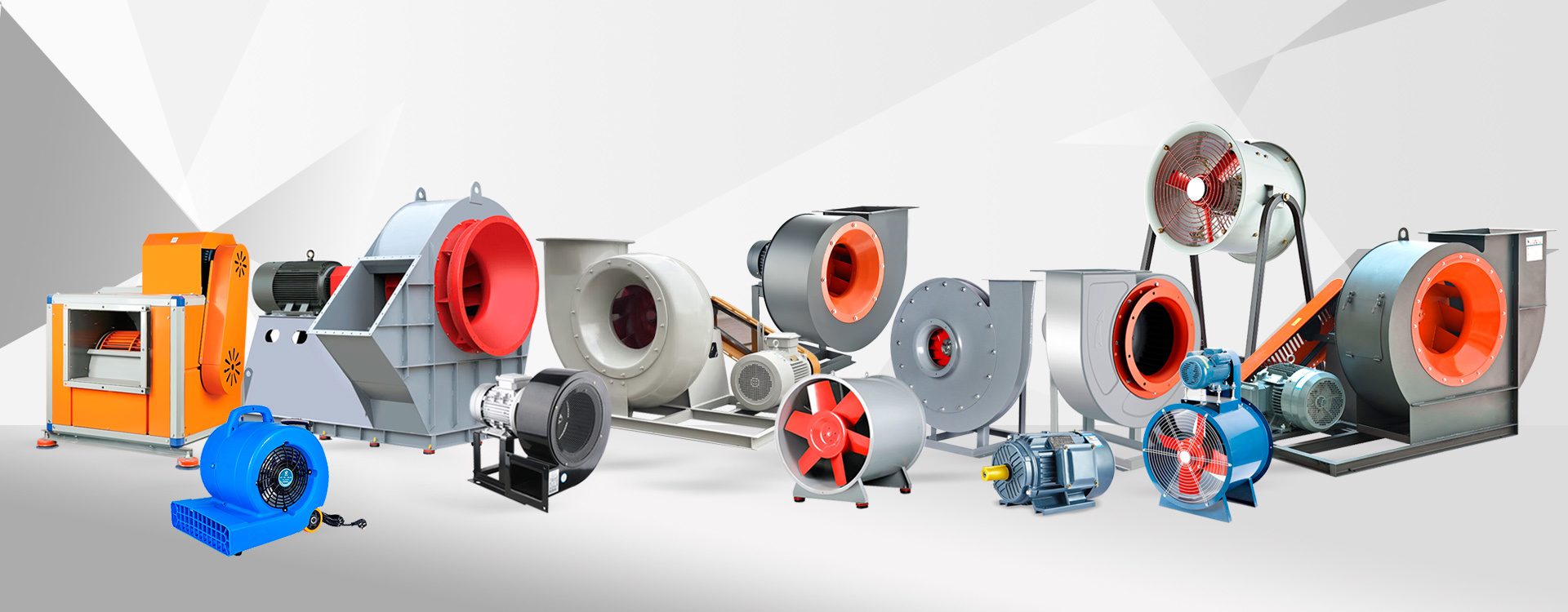
First, it is essential to understand the basic definitions and purposes of cabinet centrifugal fans and wind cabinets. Cabinet centrifugal fans are mechanical devices designed to move air or gases through the use of rotating blades. They are typically housed in a cabinet or enclosure, which helps to reduce noise levels and protect the fan from external elements. These fans are widely used in various applications, including air conditioning systems, industrial processes, and ventilation systems.
On the other hand, wind cabinets, also known as wind tunnels or air flow cabinets, are specialized enclosures designed to create a controlled airflow environment. They are often used for testing and evaluating the performance of various products, such as electronic components, automotive parts, and HVAC equipment. Wind cabinets provide a consistent and uniform airflow, allowing engineers and researchers to analyze how different items respond to air movement and temperature changes.
One of the primary differences between cabinet centrifugal fans and wind cabinets lies in their design and construction. Cabinet centrifugal fans typically consist of a motor, impeller, and housing. The impeller is responsible for generating airflow, while the motor powers the impeller's rotation. The design of the fan can vary based on its intended application, with different blade shapes and sizes influencing performance characteristics such as airflow rate and pressure.
In contrast, wind cabinets are more complex in design. They often include features such as adjustable airflow speeds, temperature control, and instrumentation for measuring air velocity and temperature. The interior of a wind cabinet is designed to minimize turbulence and create a laminar flow, ensuring that the airflow is consistent throughout the testing area. This level of design sophistication allows for precise testing and evaluation of products in a controlled environment.
Functionality is another area where cabinet centrifugal fans and wind cabinets differ significantly. Cabinet centrifugal fans are primarily focused on moving air efficiently and quietly. They are designed to handle various air volumes and pressures, making them suitable for a wide range of applications. The airflow generated by these fans can be directed through ducts or vents, ensuring effective air distribution in a building or industrial setting.
In contrast, wind cabinets serve a more specialized purpose. Their primary function is to create a controlled airflow environment for testing and experimentation. The airflow within a wind cabinet can be adjusted to simulate different conditions, allowing researchers to study how products perform under various scenarios. This capability is invaluable in industries such as aerospace, automotive, and electronics, where understanding airflow dynamics is crucial for product development and optimization.
The applications of cabinet centrifugal fans and wind cabinets also differ significantly. Cabinet centrifugal fans are commonly used in HVAC systems, where they provide ventilation, cooling, and heating. They can be found in residential, commercial, and industrial settings, ensuring that indoor air quality is maintained and that temperature control is achieved. Additionally, these fans are used in exhaust systems, fume hoods, and other applications where air movement is essential.
Wind cabinets, on the other hand, are primarily utilized in research and development environments. They are essential tools for engineers and scientists who need to evaluate the performance of products under controlled airflow conditions. Wind cabinets are often used in the testing of automotive components, such as spoilers and aerodynamic features, as well as in the evaluation of electronic devices that may be affected by airflow and temperature variations.
When it comes to advantages, both cabinet centrifugal fans and wind cabinets offer unique benefits. Cabinet centrifugal fans are known for their efficiency, durability, and versatility. They can be customized to meet specific airflow requirements, and their compact design allows for easy installation in various settings. Additionally, their noise-reducing features make them ideal for environments where quiet operation is essential.
Wind cabinets, while more specialized, provide invaluable insights during product development. They allow for controlled testing, enabling engineers to gather precise data on how products perform in real-world scenarios. The ability to simulate different airflow conditions helps identify potential issues and optimize designs before they reach the market. This capability can lead to improved product performance, increased reliability, and reduced development costs.
In conclusion, cabinet centrifugal fans and wind cabinets serve distinct purposes within the HVAC and testing industries. While cabinet centrifugal fans are designed for efficient air movement and ventilation, wind cabinets provide controlled environments for product testing and evaluation. Understanding the differences between these two types of equipment is essential for selecting the right solution for specific applications. By recognizing their unique characteristics, engineers and facility managers can make informed decisions that enhance performance, efficiency, and product quality.
Tag:





Address: Road 3, Ji'ao Industrial Zone, Xinqiao Town, Luqiao District, Taizhou City, Zhejiang Province (Shanghai Qiba Fan Factory)

Online Message
Filling in your phone and E-mail information will help us to get in touch with you in time and solve your problems as soon as possible.