Welcome to Cangzhou Yisu Plastic Packaging Co., Ltd. official website!


Case studies on the application of fans in different fields
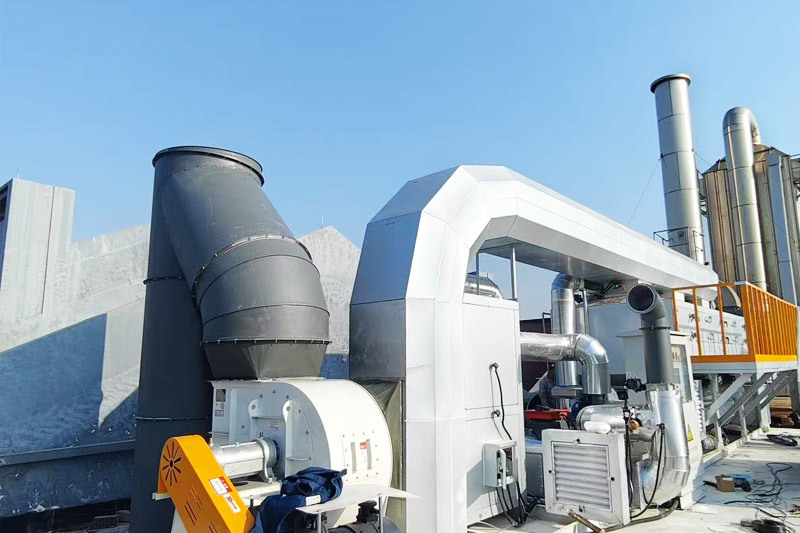
Fans are ubiquitous devices that serve a vital role in various industries and applications. Their primary function is to create airflow, which can help in cooling, ventilation, and even mixing processes. This article explores several case studies highlighting the diverse applications of fans across different fields, including industrial manufacturing, healthcare, agriculture, and entertainment.
In the industrial manufacturing sector, fans are essential for maintaining optimal working conditions and ensuring the safety of employees. One notable case study involves a large automobile manufacturing plant that faced challenges with heat buildup and inadequate ventilation. The plant management decided to install high-efficiency exhaust fans to improve air circulation. These fans were strategically placed in areas with high heat generation, such as welding and painting sections. As a result, the plant experienced a significant reduction in temperature, which not only improved worker comfort but also enhanced productivity. The installation of these fans led to a 20% decrease in energy costs due to the improved efficiency of the overall ventilation system.
Another area where fans play a crucial role is in healthcare settings. A prominent case study is the use of fans in operating rooms to ensure a sterile environment. In a major hospital, the surgical department faced challenges with maintaining appropriate air quality during surgeries. The hospital management opted to upgrade their ventilation system by incorporating high-efficiency particulate air (HEPA) fans. These fans filter out airborne contaminants and provide a continuous flow of clean air to the operating rooms. The implementation of this system not only reduced the risk of post-surgical infections but also improved overall patient outcomes. Post-implementation data showed a 30% decrease in infection rates, demonstrating the critical role that fans can play in healthcare.
In agriculture, fans are increasingly being used in controlled environment agriculture (CEA) systems, such as greenhouses and indoor farms. A notable case study is that of a vertical farming operation that struggled with humidity control and air distribution. To address these issues, the farm implemented a network of axial fans designed to circulate air evenly throughout the growing area. This setup allowed for better temperature regulation and humidity control, leading to healthier plants and increased yields. The farm reported a 25% increase in crop production after the installation of the fan system, showcasing the impact of proper airflow management in agriculture.
The entertainment industry also utilizes fans, particularly in live events and concerts. A prominent case study involves a major music festival that faced challenges with crowd comfort during hot summer days. The event organizers decided to deploy large, portable fans throughout the venue to create a more comfortable environment for attendees. These fans were strategically placed in high-traffic areas and near stages to ensure maximum airflow. The feedback from festival-goers was overwhelmingly positive, with many praising the organizers for their efforts to enhance comfort. The use of fans not only improved the overall experience but also helped to mitigate potential heat-related health issues among attendees.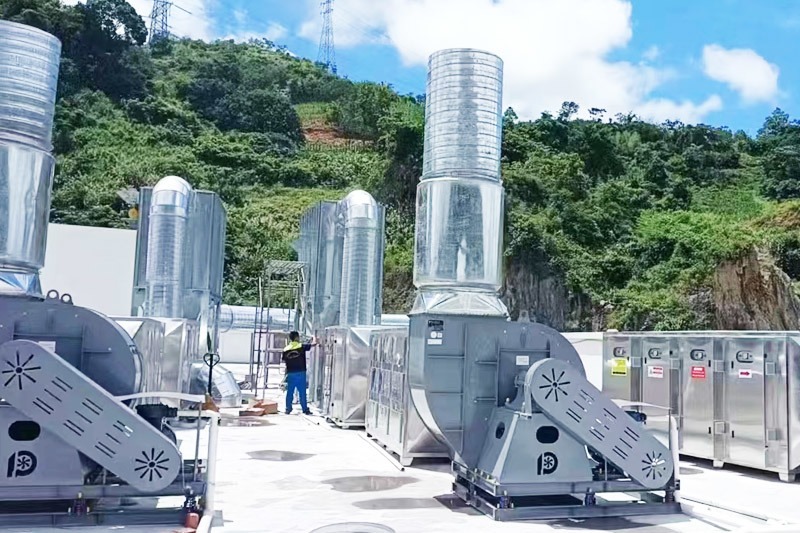
Additionally, fans are increasingly being integrated into smart home technology. A case study of a residential development project showcases the application of smart ceiling fans equipped with IoT technology. Homeowners were given the option to install these fans, which could be controlled remotely via smartphones or voice-activated assistants. The smart fans were designed to optimize energy consumption by adjusting their speed based on room occupancy and temperature. Early adopters reported a significant reduction in energy bills, demonstrating the potential for fans to contribute to energy efficiency in residential settings.
In the realm of disaster management, fans have been employed to assist in emergency situations. A case study involving a wildfire response team illustrates this application. During a significant wildfire, firefighters used industrial-grade fans to create controlled airflow, which helped to direct smoke and heat away from residential areas. This strategic use of fans not only protected homes but also improved visibility for the firefighters, allowing them to navigate the terrain more effectively. The successful implementation of fans in this context underscores their versatility and importance in crisis situations.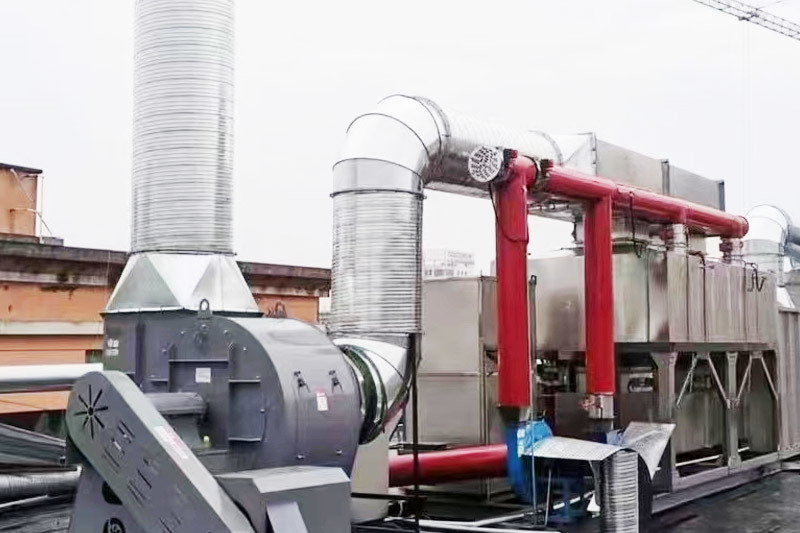
In conclusion, fans are integral to a wide array of applications across various fields, including industrial manufacturing, healthcare, agriculture, entertainment, smart homes, and disaster management. The case studies presented in this article illustrate how fans contribute to improved efficiency, safety, and comfort in diverse environments. As technology continues to advance, the role of fans is likely to evolve further, leading to even more innovative applications that enhance our daily lives and work processes. Whether it is creating a sterile environment in a hospital, improving air circulation in a greenhouse, or ensuring comfort at a music festival, fans remain a vital component of modern infrastructure.
Tag:
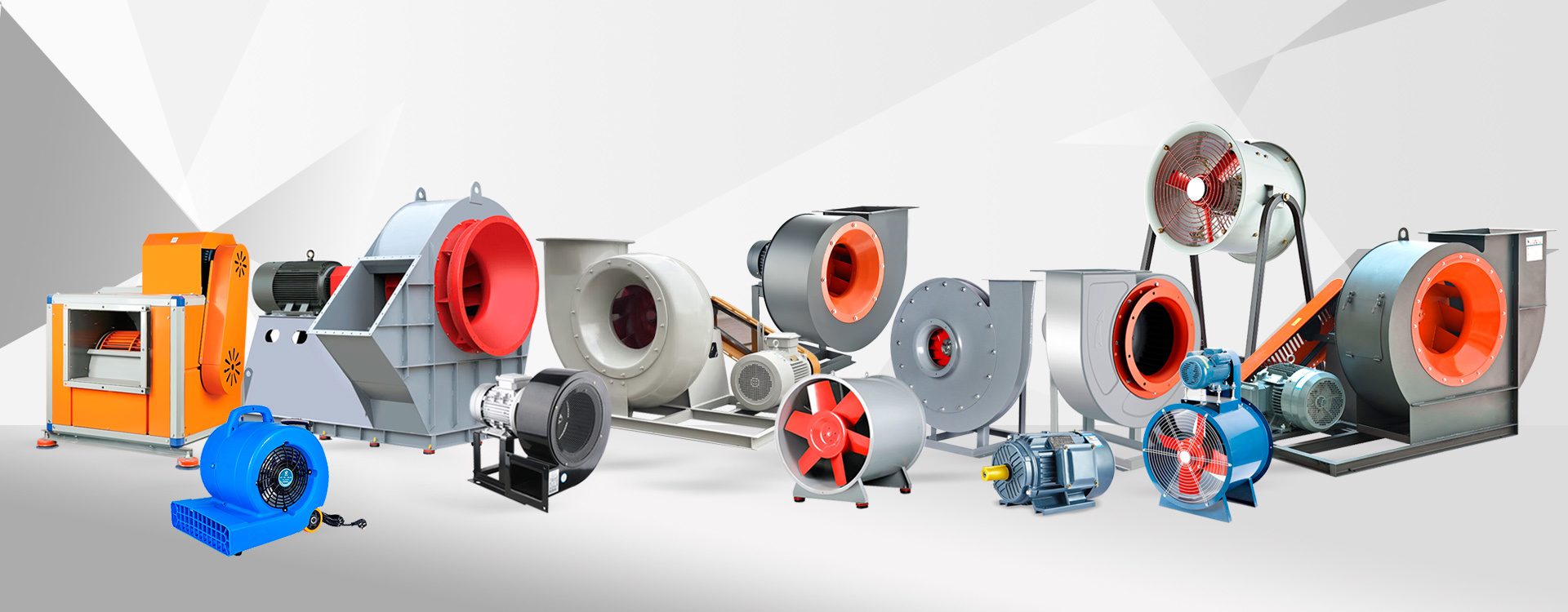





Address: Road 3, Ji'ao Industrial Zone, Xinqiao Town, Luqiao District, Taizhou City, Zhejiang Province (Shanghai Qiba Fan Factory)

Online Message
Filling in your phone and E-mail information will help us to get in touch with you in time and solve your problems as soon as possible.