Welcome to Cangzhou Yisu Plastic Packaging Co., Ltd. official website!


Fire fans: functions, types, and applications
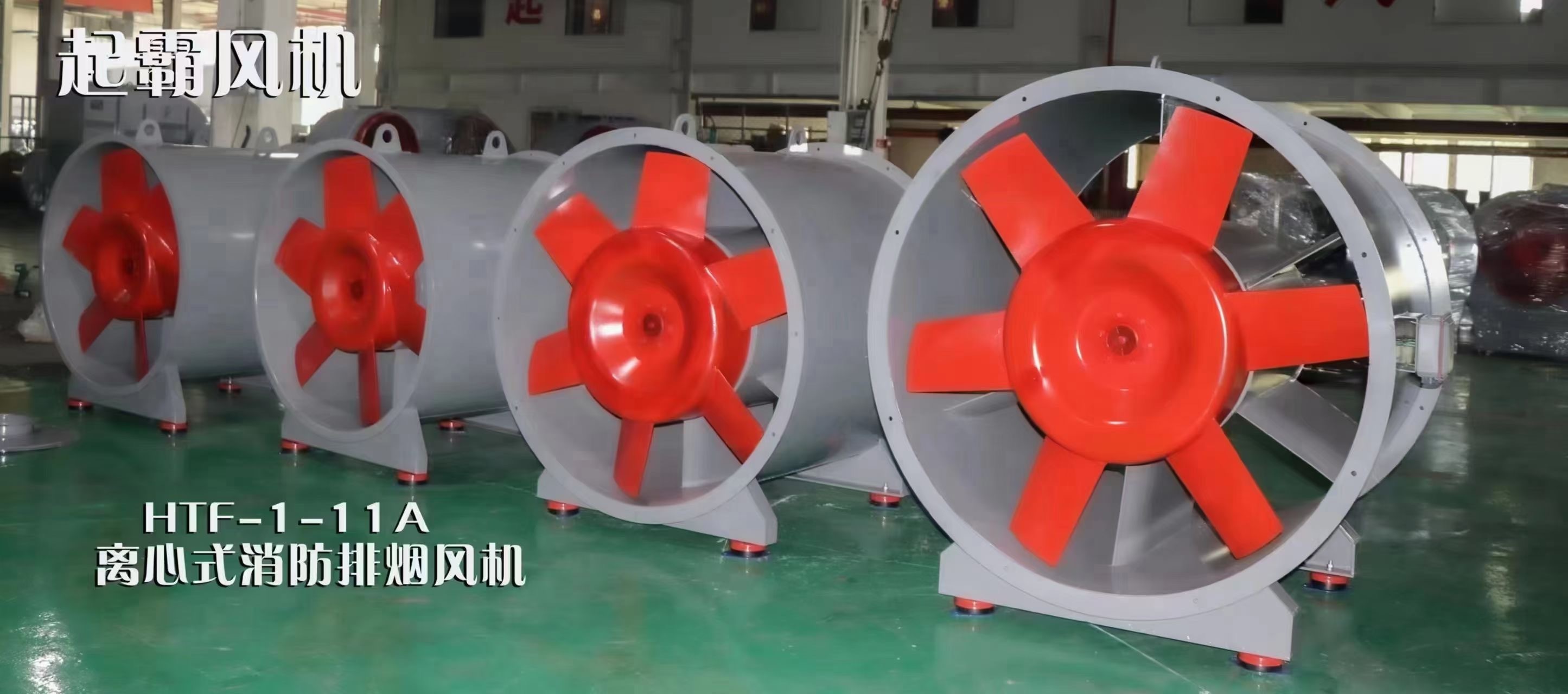
Fire fans, an essential tool in both industrial and recreational settings, serve various purposes that enhance safety, efficiency, and enjoyment. From controlling flames in controlled burns to creating a mesmerizing ambiance during outdoor gatherings, fire fans are versatile devices that have gained popularity across multiple domains. This article will explore the functions, types, and applications of fire fans, highlighting their importance in modern society.
**Functions of Fire Fans**
Fire fans primarily serve to manage and manipulate fire, ensuring safety and efficiency. One of their primary functions is to provide airflow to flames, which can enhance combustion. By increasing the oxygen supply to a fire, fire fans can intensify the heat and promote a more efficient burn. This function is particularly beneficial in controlled environments, such as during prescribed burns in forestry management, where fire is used to reduce fuel loads and promote ecological health.
Another critical function of fire fans is to control smoke dispersion. In situations where smoke could pose health risks or visibility issues, fire fans can help direct smoke away from populated areas or sensitive environments. This capability is vital in both wildland firefighting and urban settings, where smoke can exacerbate air quality issues.
Additionally, fire fans can serve aesthetic purposes. In outdoor settings, they can create visually appealing flames that enhance the atmosphere of gatherings and events. This decorative function is especially popular in commercial venues such as restaurants and bars, where fire features can draw customers and create a unique ambiance.
Types of Fire Fans
Fire fans come in various types, each designed for specific applications and environments. The most common types include electric fire fans, manual fire fans, and portable fire fans.
Electric fire fans are powered by electricity and often come equipped with adjustable speed settings, allowing users to control the intensity of the airflow. These fans are commonly used in industrial settings, such as foundries or manufacturing plants, where precise control over fire conditions is essential. Electric fire fans are also used in outdoor settings, such as event venues, where consistent airflow can enhance the visual appeal of fire displays.
Manual fire fans, on the other hand, are operated by hand and require physical effort to generate airflow. These fans are often used in traditional settings, such as cultural ceremonies or outdoor cooking. Manual fire fans are typically lightweight and portable, making them ideal for use in remote locations where electricity may not be available.
Portable fire fans are designed for easy transport and can be used in various settings, from camping trips to backyard barbecues. These fans often feature battery-powered or propane-fueled designs, providing flexibility for users. Portable fire fans are particularly popular among outdoor enthusiasts who want to enjoy the warmth and ambiance of a fire without the hassle of traditional wood-burning methods.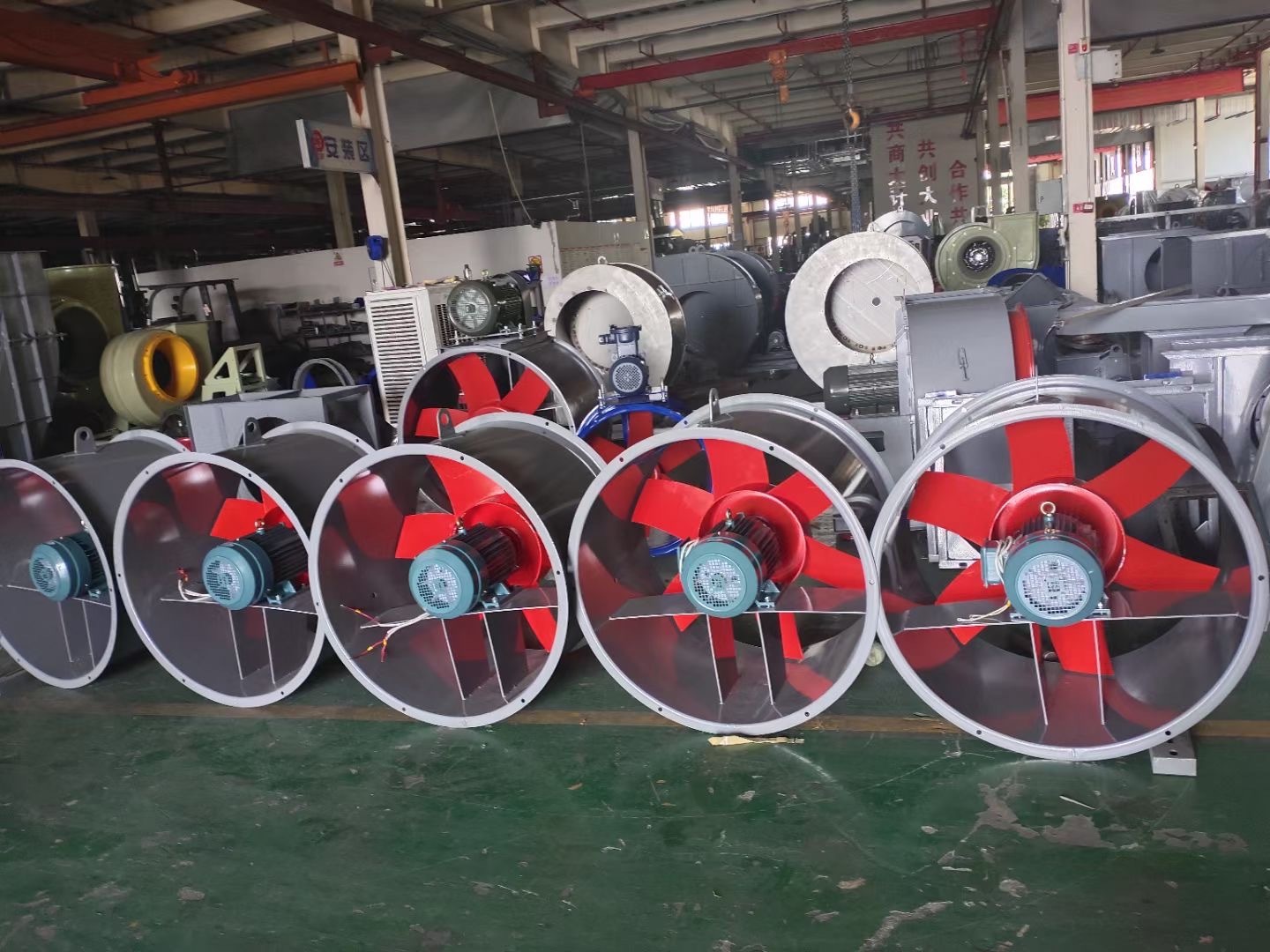
Applications of Fire Fans
The applications of fire fans are vast and varied, spanning multiple industries and recreational activities. In the forestry and environmental management sector, fire fans play a crucial role in controlled burns. By promoting efficient combustion and managing smoke dispersion, these fans help land managers achieve their ecological goals while minimizing risks to nearby communities.
In the construction industry, fire fans are often used during fire testing procedures to evaluate the performance of building materials and designs under fire conditions. By simulating real-world fire scenarios, these fans assist engineers and architects in ensuring that structures are safe and compliant with fire safety regulations.
In the realm of entertainment, fire fans have become increasingly popular for creating stunning visual displays. From fire dancing performances to outdoor festivals, fire fans enhance the aesthetic appeal of events while providing a captivating experience for attendees. Additionally, many restaurants and bars incorporate fire fans into their outdoor seating areas, creating inviting atmospheres that encourage patrons to linger.
Moreover, fire fans find applications in culinary settings, particularly in traditional cooking methods such as grilling and barbecuing. By enhancing airflow, these fans help achieve optimal cooking temperatures and promote even cooking, resulting in delicious meals.
Conclusion
Fire fans are versatile devices that serve essential functions across various industries and recreational activities. From promoting efficient combustion and managing smoke dispersion to creating stunning visual displays, fire fans play a significant role in enhancing safety, efficiency, and enjoyment. As technology continues to advance, the design and functionality of fire fans will likely evolve, opening new possibilities for their applications in modern society. Whether in controlled burns, construction testing, or outdoor gatherings, fire fans will undoubtedly remain an integral part of our interaction with fire.
Tag:





Address: Road 3, Ji'ao Industrial Zone, Xinqiao Town, Luqiao District, Taizhou City, Zhejiang Province (Shanghai Qiba Fan Factory)

Online Message
Filling in your phone and E-mail information will help us to get in touch with you in time and solve your problems as soon as possible.