Welcome to Cangzhou Yisu Plastic Packaging Co., Ltd. official website!


What are the precautions for installing and using high-pressure fans?
High-pressure fans are essential equipment in various industries, including manufacturing, HVAC systems, and ventilation applications. They are designed to move air at high velocities, making them effective for tasks such as cooling, drying, and dust removal. However, improper installation and use can lead to safety hazards, equipment failure, and inefficiencies. This article outlines important precautions to consider when installing and using high-pressure fans.
Understanding High-Pressure Fans
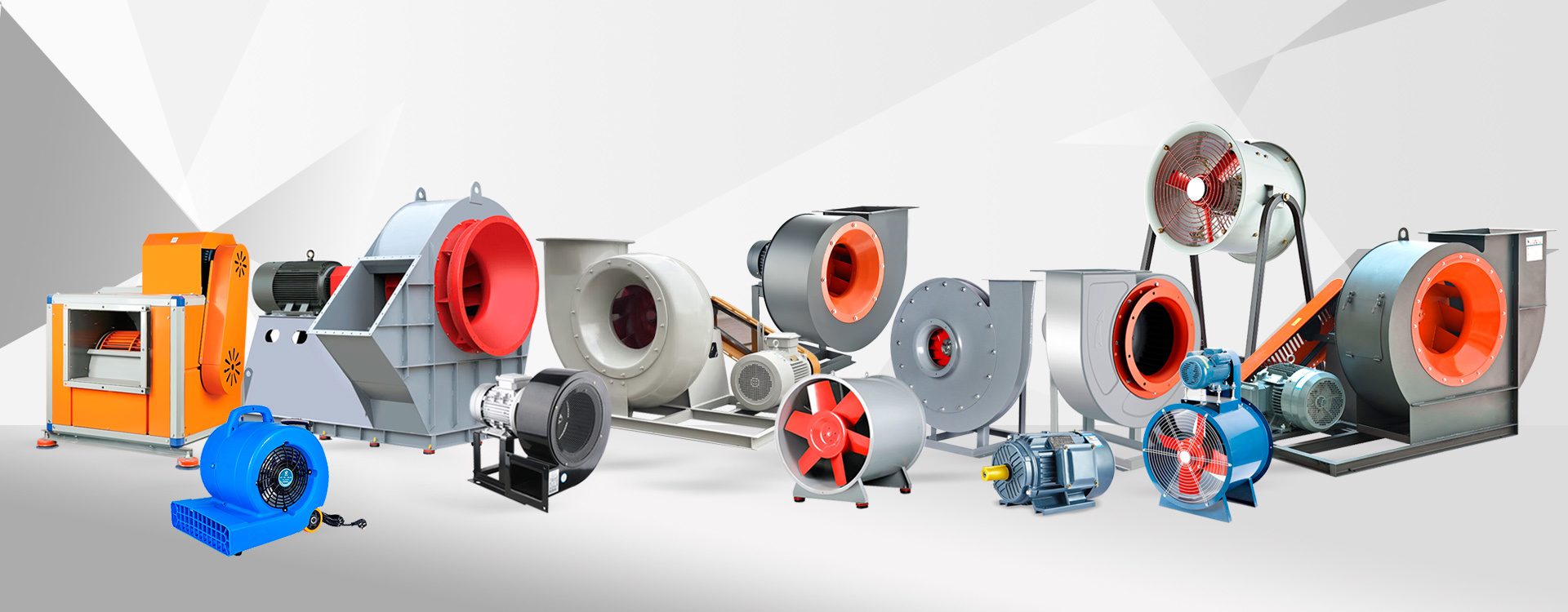
Before diving into precautions, it is crucial to understand what high-pressure fans are and how they function. High-pressure fans are designed to generate a high static pressure, which enables them to push air through long ductwork or against significant resistance. They come in various types, including centrifugal and axial fans, each suited for specific applications. Knowing the fan type and its intended use is the first step in ensuring proper installation and operation.
Installation Precautions
1.Site Assessment: Before installation, assess the site where the fan will be installed. Consider factors such as available space, proximity to other equipment, and the environment (temperature, humidity, and dust levels). This assessment will help determine the best location for optimal performance.
2.Mounting Considerations: High-pressure fans must be securely mounted to minimize vibration and noise. Ensure that the mounting surface is sturdy and level. Use appropriate mounting hardware, and follow the manufacturer's guidelines for installation. Vibration isolators may be necessary to prevent damage to both the fan and surrounding equipment.
3.Ductwork Design: If the fan is part of a ducted system, ensure that the ductwork is designed correctly. Use smooth, rigid ducts to minimize resistance and maximize airflow. Avoid sharp bends and transitions that can create turbulence and reduce efficiency. The duct size should match the fan's specifications to ensure optimal performance.
4.Electrical Connections: Ensure that all electrical connections are made according to local codes and regulations. Use the appropriate wire gauge and connectors to handle the fan's electrical load. Install a dedicated circuit for the fan to prevent overloads and ensure reliable operation.
5.Safety Features: High-pressure fans should be equipped with safety features such as thermal overload protection and emergency shut-off switches. These features can prevent damage to the fan and reduce the risk of accidents during operation.
Operational Precautions
1.Regular Maintenance: Implement a regular maintenance schedule to ensure the fan operates efficiently. This includes checking for wear and tear, cleaning the fan blades, and inspecting electrical connections. Regular maintenance can extend the lifespan of the fan and prevent unexpected failures.
2.Monitoring Performance: Monitor the fan's performance regularly. Look for signs of reduced airflow, unusual noises, or vibrations. These can indicate issues that require immediate attention. Keeping an eye on performance metrics can help identify problems before they escalate.
3.Proper Use: Use the fan only for its intended purpose. Avoid using it to move flammable materials or in environments where explosive gases may be present. Understand the limitations of the fan and avoid overloading it by exceeding its specified airflow or pressure ratings.
4.Personal Protective Equipment (PPE): When working around high-pressure fans, ensure that all personnel wear appropriate personal protective equipment. This may include hearing protection, safety glasses, and gloves. Educate workers about the potential hazards associated with high-pressure fans and the importance of safety protocols.
5.Emergency Procedures: Establish clear emergency procedures in case of fan failure or accidents. Train employees on how to respond to emergencies, including how to shut down the fan quickly and safely. Having a well-defined plan can help minimize risks and ensure a quick response in case of an incident.

Tag:
Previous Page
Previous Page:





Address: Road 3, Ji'ao Industrial Zone, Xinqiao Town, Luqiao District, Taizhou City, Zhejiang Province (Shanghai Qiba Fan Factory)

Online Message
Filling in your phone and E-mail information will help us to get in touch with you in time and solve your problems as soon as possible.