Welcome to Cangzhou Yisu Plastic Packaging Co., Ltd. official website!


What are the shaft sealing methods for centrifugal fans?
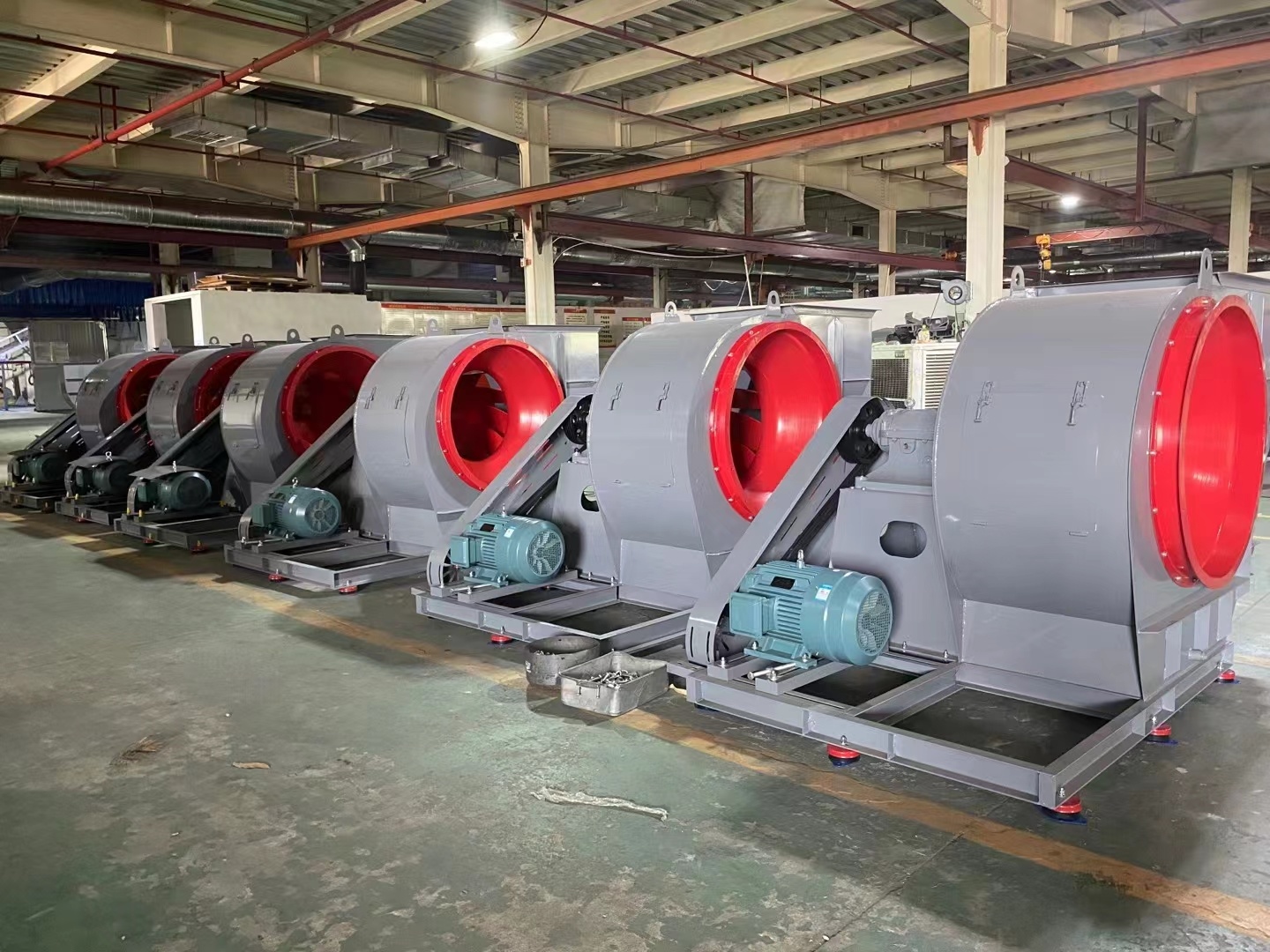
Centrifugal fans play a crucial role in various industrial applications, providing the necessary airflow for processes ranging from ventilation to cooling systems. However, one of the critical challenges faced by centrifugal fans is preventing air leakage along the shaft. Effective shaft sealing is essential not only for maintaining efficiency but also for prolonging the life of the fan and minimizing energy consumption. This article explores various shaft sealing methods employed in centrifugal fans, discussing their advantages, disadvantages, and applications.
Understanding Shaft Sealing
Shaft sealing is the process of preventing air or fluid leakage from the rotating shaft of a centrifugal fan. The fan’s performance can be significantly affected by leaks, as they can reduce airflow efficiency and increase energy costs. Moreover, excessive leakage can lead to environmental concerns, especially when handling hazardous materials. Therefore, selecting an appropriate sealing method is vital for ensuring optimal fan performance.
Mechanical Seals
Mechanical seals are widely used in centrifugal fans due to their effectiveness in preventing leakage. These seals consist of two main components: a rotating part attached to the shaft and a stationary part mounted on the housing. The two components are pressed together to create a tight seal, preventing air from escaping.
Advantages of mechanical seals include their ability to handle high pressures and temperatures, making them suitable for various industrial applications. Additionally, they have a long service life and require minimal maintenance. However, mechanical seals can be more expensive than other sealing methods, and improper installation may lead to premature failure.
Packing Seals
Packing seals, also known as gland packing, are another common sealing method used in centrifugal fans. This method involves wrapping a soft material, such as graphite or PTFE, around the shaft and compressing it against the housing. The packing material creates a seal that prevents air leakage while allowing the shaft to rotate.
One of the primary advantages of packing seals is their simplicity and low cost. They are relatively easy to install and maintain, making them a popular choice for many applications. However, packing seals can wear out over time, requiring periodic adjustments or replacements. Additionally, they may not perform well under high speeds or extreme conditions, leading to potential leakage issues.
Lip Seals
Lip seals, also known as radial seals, are another effective method for sealing the shaft of centrifugal fans. These seals consist of a flexible lip that contacts the shaft, creating a barrier against air leakage. Lip seals are typically made from rubber or other elastomeric materials, providing excellent flexibility and sealing capabilities.
The primary advantage of lip seals is their ability to maintain a tight seal while accommodating shaft movement. They are also relatively inexpensive and easy to install. However, lip seals may have limitations in high-temperature or high-pressure applications. Additionally, they can wear out over time, leading to potential leakage issues.
Magnetic Seals
Magnetic seals are a more advanced sealing technology used in some centrifugal fans. These seals utilize magnetic forces to create a barrier between the shaft and the housing, preventing air leakage without direct contact. This non-contact sealing method reduces wear and tear on the components, resulting in a longer service life.
The advantages of magnetic seals include their ability to handle extreme conditions, such as high speeds and temperatures, without compromising performance. Additionally, they require minimal maintenance and are less prone to wear compared to traditional sealing methods. However, magnetic seals can be more expensive and may require specialized installation techniques.
Compressed Air Seals
Compressed air seals, also known as air seals, use a controlled stream of compressed air to create a barrier around the shaft. This method is particularly useful in applications where maintaining a clean environment is critical, as it prevents contaminants from entering the fan. The compressed air creates a cushion that keeps the fan’s internal components free from debris.
The primary advantage of compressed air seals is their effectiveness in preventing contamination, making them ideal for industries such as pharmaceuticals and food processing. However, this method requires a continuous supply of compressed air, which can increase operational costs. Additionally, if the air pressure is insufficient, leakage may occur.
Conclusion
Selecting the appropriate shaft sealing method for centrifugal fans is crucial for ensuring optimal performance and efficiency. Each sealing method has its advantages and disadvantages, and the choice often depends on the specific application requirements, operating conditions, and budget constraints. Mechanical seals, packing seals, lip seals, magnetic seals, and compressed air seals all offer unique benefits that can help mitigate air leakage and enhance fan performance. By understanding the various sealing options available, engineers and facility managers can make informed decisions that lead to improved efficiency, reduced maintenance costs, and prolonged equipment life.
Tag:





Address: Road 3, Ji'ao Industrial Zone, Xinqiao Town, Luqiao District, Taizhou City, Zhejiang Province (Shanghai Qiba Fan Factory)

Online Message
Filling in your phone and E-mail information will help us to get in touch with you in time and solve your problems as soon as possible.